
aug 13 2026
Where the Casa Blanca Brand Exists in the 2026 Designer Landscape
Although the spelling “Casa Blanca brand” is commonly used by digital shoppers, it points to the actual Casablanca fashion house based in Paris and established by Charaf Tajer in 2018. In the saturated luxury arena of 2026, Casablanca holds a defined and progressively influential slot: new-wave luxury with strong narrative, high-quality materials and a aesthetic signature rooted in tennis, travel and leisure culture. The brand shows collections during Paris Fashion Week, sells through upscale independent boutiques and department stores internationally, and prices its pieces in line with labels like Amiri, Jacquemus, Rhude and Palm Angels. This positioning situates Casablanca above high-end streetwear but below legacy mega-houses like Louis Vuitton or Gucci, granting it latitude to scale while keeping the design independence and allure that power its growth. Knowing where the Casa Blanca brand sits in this pecking order is vital for customers who want to spend wisely and appreciate the value proposition behind each purchase.
Understanding the Core Audience
The representative Casablanca customer is a style-conscious individual between 22 and 42 years old who prizes personal expression, wanderlust and arts participation. Many buyers operate in or close to cultural industries—design, media, music, hospitality—and seek clothing that signals taste and individuality rather than wealth alone. However, the brand also resonates with professionals in finance, tech and law who want to elevate their casual wardrobes with something more special than standard luxury essentials. Women represent a increasing segment of the customer base, pulled toward the label’s relaxed silhouettes, vivid prints and resort-ready mood. Market-wise, the largest markets in 2026 are Western Europe, North America, the Middle East, Japan and South Korea, though social media has broadened visibility internationally. A notable supplementary audience consists of fashion collectors and secondary-market traders who track rare drops and older pieces, seeing the brand’s ability for growth in value. This diverse but consistent customer picture grants Casablanca a broad click casablanca-shorts.com for more business base while maintaining the aura of exclusivity and cultural richness that captivated its initial fans.
Casa Blanca Brand Target Audience Groups
| Group | Age Range | Driver | Go-To Categories |
|---|---|---|---|
| Cultural professionals | 25–40 | Individuality | Silk shirts, knitwear, prints |
| High-end street fans | 18–35 | Drops | Hoodies, track sets, caps |
| Vacation and travel shoppers | 28–45 | Travel comfort | Shorts, shirts, accessories |
| Fashion collectors and resellers | 20–38 | Appreciation | Past prints, collaborations |
| Women customers | 22–42 | Dresses, skirts, silk pieces |
Pricing Band and Value Perception
Casablanca’s cost model mirrors its position as a current luxury house that emphasises artistry, construction quality and limited production over mass-market distribution. In 2026, T-shirts generally retail between 200 and 350 dollars, hoodies and sweatshirts between 400 and 700 dollars, silk shirts between 700 and 1 200 dollars, knitwear between 450 and 900 dollars, and outerwear between 800 and 2 000 dollars depending on detail and fabrics. Accessories like caps, scarves and petite bags range from 100 to 500 dollars. These cost tiers are largely comparable to labels like Amiri and Rhude but can be less than some Jacquemus or Off-White pieces at the high end. What justifies the price for many customers is the combination of bespoke artwork, high-end manufacturing and a cohesive creative identity that makes each piece seem purposeful rather than unremarkable. Pre-owned values for in-demand prints and special drops can beat first retail, which strengthens the image of Casablanca as a intelligent acquisition rather than a losing expense. Customers who measure value per use—factoring in how regularly they actually wear a piece—frequently discover that a flexible silk shirt or knit from Casablanca gives solid value regardless of its initial price.
Distribution Plan and Physical Reach
The Casa Blanca brand operates a controlled distribution approach designed to protect demand and prevent brand dilution. The main direct-to-consumer channel is the main website, which offers the entire range of present collections, special drops and seasonal sales. A flagship store in Paris functions as both a shopping space and a brand experience centre, and pop-up locations surface from time to time in cities like London, New York, Milan and Tokyo during fashion events and design events. On the wholesale side, Casablanca supplies a curated network of high-end retailers including SSENSE, Mr Porter, Farfetch, Browns, Dover Street Market and selected department stores such as Selfridges, Neiman Marcus and Isetan. This curated distribution guarantees that the brand is accessible to genuine shoppers without being found in every discount outlet or cheap aggregator. In 2026, Casablanca is apparently growing its store network with year-round stores in two extra cities and greater focus in its e-commerce experience, including digital try-on features and upgraded size recommendations. For customers, this means increasing convenience without the over-distribution that can undermine luxury status.
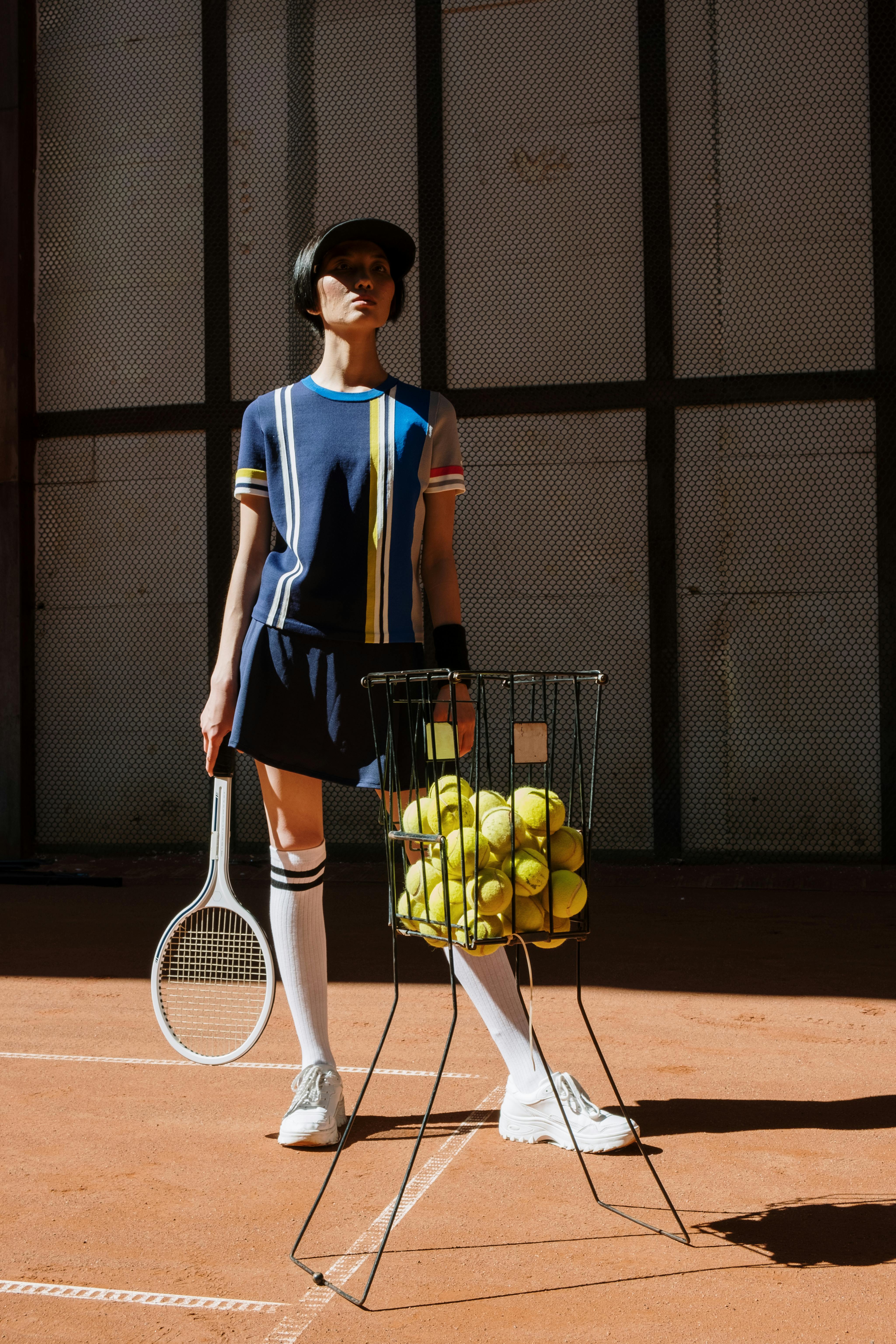
Brand Positioning Relative to Comparable Labels
Understanding the Casa Blanca brand’s positioning demands weighing it with the labels it most often is featured with in multi-brand stores and editorial editorials. Jacquemus offers a parallel French luxury pedigree but tilts more toward pared-back design and understated palettes, positioning the two brands harmonious rather than conflicting. Amiri presents a darker, rock-influenced California aesthetic that targets a separate sensibility. Rhude and Palm Angels work within the designer street space with graphic-rich designs that intersect with some of Casablanca’s informal pieces but do not have the resort and tennis story. What separates Casablanca apart from all of these is its unwavering commitment to hand-drawn prints, color intensity and a particular spirit of happiness and relaxation. No other label in the current luxury tier has created its entire identity around tennis and sport and Mediterranean travel with the same depth and coherence. This distinctive standing grants Casablanca a secure DNA that is tough for competitors to imitate, which in turn reinforces enduring brand value and price power.
The Impact of Joint Ventures and Capsule Editions
Partnerships and exclusive releases serve a important part in the Casa Blanca brand’s identity. By joining forces with sportswear giants, arts institutions and design brands, Casablanca exposes itself to wider audiences while building enthusiast energy among current fans. These releases are generally made in low numbers and feature dual-brand prints or exclusive shades that are not offered in core collections. In 2026, partnership pieces have become some of the hottest items on the secondary market, with specific releases going above launch retail within hours of releasing. For the brand, this strategy generates editorial attention, funnels traffic to stores and strengthens the perception of limited availability and desirability without undermining the standard collection. For customers, collaborations give a moment to own rare pieces that occupy the meeting point of two creative worlds.
Strategic Outlook and Consumer Approach
For shoppers evaluating how the Casa Blanca brand works within their own aesthetic universe in 2026, the label’s status points to a few smart paths. If you prefer a wardrobe anchored by colour, pattern and leisure energy, Casablanca can act as a chief provider for anchor pieces that define outfits. If your style is subtler, one or two Casablanca items—a knit, a shirt or an accessory—can add flair into a understated wardrobe without revamping your entire closet. Investors and collectors should watch exclusive prints and joint releases, which in the past retain or beat their original value on the aftermarket market. Whatever your approach, the brand’s focus on premium materials, storytelling and curated distribution delivers a customer relationship that appears deliberate and satisfying. As the luxury market develops, labels that deliver both emotive storytelling and concrete quality are set to surpass those that rely on buzz alone. Casablanca’s positioning in 2026 indicates that it is designing for endurance rather than passing hype, positioning it a brand deserving of tracking and investing in for the long term. For the latest pricing and range, visit the main Casablanca website or explore selections on Mr Porter.

