
aug 31 2026
The Best Pre-Mixed Cocktails Worth Ditching Your Home Bar For
Most pre-mixed cocktails are bottled at a lower proof than their bar-made counterparts, yet they can still deliver a perfectly balanced drink in under ten seconds. These ready-to-pour blends combine spirits, modifiers, and bitters in precise proportions, so you skip the measuring and muddling entirely. Just shake or stir over ice, strain, and garnish—you get a consistent, professional-grade result every single time, without owning a home bar’s worth of bottles. That convenience is the real luxury: complexity and craft, pre-bottled for your glass.
What Exactly Comes Inside a Quality Ready-to-Pour Cocktail?
A quality ready-to-pour cocktail starts with real spirits—often a full proof base, not a watered-down blend—and layers in fresh citrus juice or a shelf-stable equivalent that avoids that artificial, puckering tang. You’ll find genuine sweeteners like agave or demerara syrup, plus bitters or botanical essences for depth, all balanced to mimic a bartender’s spec. There’s no “mixer-first” trick; the alcohol percentage stays generous, and ingredients are listed plainly, not hidden behind “flavorings.” Carbonated versions use a separate fizzy component so they don’t go flat in the bottle. A good one also avoids preservatives that leave a chemical finish. *Q: What’s the biggest red flag?* A: A short ingredient list with “juice from concentrate” and vague “natural flavors” usually means cheap shortcuts—quality drinks name their citrus and spirits outright.
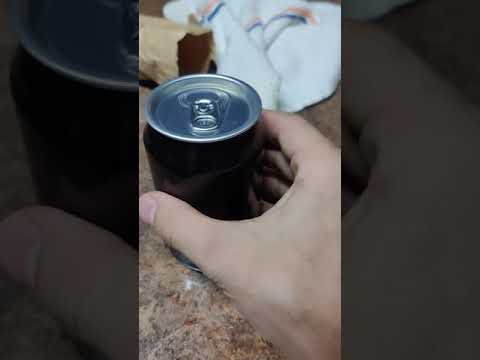
Breaking Down the Ingredients: Real Spirits vs. Synthetic Mixers
The core of a quality ready-to-pour cocktail hinges on the distinction between real spirits and synthetic mixers. Authentic options use genuine base liquors, which provide complex flavor profiles and a proper mouthfeel that artificial alternatives cannot replicate. Conversely, synthetic mixers often rely on high-fructose corn syrup, artificial coloring, and lab-created flavorings to mimic citrus, herbs, or botanicals, yielding a one-dimensional, often cloying sweetness. Real spirits contribute natural esters and congeners that evolve with the other ingredients. When evaluating a pre-mixed drink, checking the label for a specific spirit type versus vague “flavoring” or “natural essence” under the mixer component reveals whether you are getting a craft blend or a chemical approximation. The presence of real juice or cane sugar as a mixer further signals a premium, spirit-forward product.
| Aspect | Real Spirits Mix | Synthetic Mixers |
|---|---|---|
| Flavor Source | Distilled grain, long island iced tea agave, botanicals | Artificial essences, flavor packs |
| Sweetness | Balanced by alcohol oak, has dry notes | Overly sweet, flat profile |
| Mouthfeel | Thicker viscosity from glycerin in spirits | Thin, watery texture |
| Shelf Stability | Good, but may need refrigeration after opening | Extremely stable, indefinite at room temp |
Understanding Alcohol by Volume (ABV) in Canned and Bottled Drinks
Understanding Alcohol by Volume (ABV) in canned and bottled drinks is your first line of defense against an unexpectedly strong sip. Unlike a bartender who measures each pour, ready-to-pour cocktails lock in a fixed ABV, typically ranging from 5% to 15%, which dictates both flavor balance and intoxication pace. Always check the label, because a higher ABV often masks sweetness, making a drink more dangerous than it tastes. For practical control, compare the ABV to a standard glass of wine (12%) or beer (5%) to gauge your limit accurately. This knowledge transforms a casual drink into a deliberate choice, ensuring you enjoy the cocktail’s craftsmanship without overstepping your comfort zone. Reading the ABV before pouring is non-negotiable for responsible enjoyment.
Q: Why does ABV matter more in pre-mixed drinks than in homemade cocktails?
A: Because the alcohol is already blended, you cannot see or taste the spirit amount, so the ABV is your only reliable measure of strength—mistaking it can lead to rapid overconsumption.
How Shelf Stability Works Without Artificial Preservatives
Shelf stability without artificial preservatives relies on a multi-layered system rather than a single additive. First, the liquid’s pH is lowered below 4.6 using citrus or acidulants, creating an environment where pathogens cannot multiply. Second, high-alcohol content—typically above 15% ABV—acts as a natural antimicrobial, while the equilibrium between water and ethanol prevents microbial enzyme activity. Third, oxygen is eliminated via nitrogen flushing and airtight seals, stopping oxidation of delicate botanicals. Finally, flash pasteurization at 160°F for seconds destroys vegetative bacteria without cooking flavors. Together, these barriers—called **hurdle technology**—keep the cocktail stable for months without chemical intervention.

- Adjust pH below 4.6.
- Maintain ABV above 15%.
- Remove dissolved oxygen.
- Flash pasteurize post-fill.
How Do You Serve a Pre-Mixed Drink to Get the Best Flavor?
To unlock a pre-mixed cocktail’s full potential, always serve it ice-cold but never diluted—chill the sealed bottle in the freezer for at least two hours, then pour over a single large ice cube or none at all. The moment you pour, give the drink a brisk stir with a bar spoon to re-integrate settled botanicals and fruit solids, which is where most flavor hides. For carbonated pre-mixes like palomas or spritzes, open the bottle gently to preserve fizz, pour down a chilled glass’s side, and resist the urge to shake, as that flattens texture and mutes delicate citrus oils. Finish with a fresh garnish—a squeezed orange twist or a speared cherry—because aroma accounts for half of what you taste. Serve within ten minutes of opening, and for creamy or spirit-forward cans, swirl rather than shake to keep mouthfeel velvety. Always taste before adding anything; many pre-mixes are balanced for direct consumption, and over-acidifying ruins them.
Chilling Methods: When to Use Ice, When to Keep It Frozen
Ice isn’t just for chilling—it’s a dilution tool, so use it only when you want to open up the cocktail’s aromatics, like with a stirred Negroni or a shaken sour. For bottled pre-mixed drinks, especially those with citrus or dairy, keep them frozen instead; freezing preserves carbonation and prevents waterlogging that dulls flavor. If you’re serving straight from the freezer, pour immediately over a single large cube to maintain temperature without over-diluting, whereas crushed ice suits tall, effervescent mixes that benefit from quick melt. The golden rule: match your chilling method to the drink’s base—spirit-forward blends handle ice, while delicate or fizzy ones demand solid-state storage until the last second.
- Chill glassware in the freezer, not with ice, to avoid unwanted water in pre-mixed pours.
- Use one large ice block for botanical or bitter-forward mixes to slow dilution.
- Keep frozen pre-mixed cans or bottles upright to preserve CO2 and prevent cap corrosion.

Garnish Essentials That Elevate a Bottled Margarita or Negroni
For a bottled margarita, a fresh lime wheel and coarse sea salt rim are non-negotiable; the salt tempers sweetness, while the citrus oil from the twist reinvigorates muted aromatics. For a Negroni, express a wide orange peel over the glass to mist the surface with essential oils, then drop it in—this single step mimics the perfume of a freshly stirred cocktail. Never garnish a Negroni with a cherry, as its syrupy sweetness clobbers the bitter botanicals. Use a dehydrated grapefruit slice for a margarita’s visual depth without diluting. Frozen glassware and a single, high-quality garnish transform bottled versions into bar-quality pours.
Q: What is the most critical garnish for a bottled Negroni?
A: A thick-cut orange peel, expressed (twisted) over the surface to release oils, then rubbed around the rim before dropping in—this adds aromatic complexity no pre-mixed liquid can replicate.
Carbonated vs. Still: How to Handle Fizzy Ready-Made Drinks
Carbonation changes everything about serving a pre-mixed cocktail, so treat fizzy cans and bottles with extra care. For sparkling drinks, preserving carbonation for ready-made cocktails means pouring immediately after opening, preferably into a chilled glass with a wide mouth to release initial harshness while retaining fine bubbles. Never shake a carbonated pre-mix—agitation causes explosive foaming and flatness. Instead, stir gently with a long spoon. Still pre-mixes, like margaritas or Negronis, benefit from a vigorous shake with ice to aerate and dilute slightly, softening harsh alcohol edges. Serve still versions over a single large ice cube; for fizzy ones, skip ice entirely or use one small sphere to avoid dilution killing the effervescence.
Which Style of Ready-Made Drink Fits Your Occasion?
Choosing a pre-mixed cocktail style hinges on the environment and effort you want to invest in the moment. For a backyard barbecue or a casual picnic, opt for carbonated canned options like a gin and tonic or a ranch water—they need only cold glassware and deliver immediate refreshment. If you are hosting a dinner party, select a spirit-forward, barrel-aged bottle such as an old fashioned or a negroni; these benefit from a single large ice cube and a citrus twist, elevating the pour into a slow, savoring experience. For a beach day or a boat trip, prioritize lightweight, high-acid mixes like margaritas or palomas in aluminum cans, which stay crisp without refrigeration. Remember that the best pre-mixed choice is the one that mimics the ritual you would normally perform, not the one with the highest proof. Finally, for a quiet nightcap, choose a cream-based or dessert-style bottled cocktail, meant to be served straight from the fridge and enjoyed without any garnish. Match the bottle’s complexity to the occasion’s pace, and you’ll always land the right sip.
Choosing Between Single-Serve Cans and Large-Format Bottles for Parties
For parties, the choice between single-serve cans and large-format bottles comes down to how you want the night to flow. Cans are perfect for mingling—guests grab one, no glassware needed, and you skip the awkward “who poured the last bit” dance. Bottles, though, shine for sit-down gatherings where you’re controlling portions or serving a signature pre-mixed cocktail over ice. Choosing between single-serve cans and large-format bottles for parties also hinges on cleanup: cans crush easily, while bottles mean one less jug to haul to recycling. If your crowd has mixed tastes, cans let everyone pick their own flavor without committing to a full bottle.
- Cans keep drinks colder longer and are lighter for outdoor events.
- Bottles offer better value per ounce for large, heavy-drinking groups.
- Cans prevent over-pouring and wasted leftover mix in opened bottles.
- Bottles are easier to dress up with garnishes for a fancier presentation.
Low-Sugar and Low-Alcohol Options for Daytime Sipping
For daytime occasions, prioritize cans labeled low-sugar and low-alcohol ready-to-drink cocktails to avoid sluggishness. Look for options under 5% ABV, often based on sparkling water, tea, or citrus, which maintain flavor without syrup-heavy mixes. Check nutrition panels for fewer than 5 grams of sugar per serving, as tropical or sour varieties frequently hide excess sweetness. Pair a botanical spritz with brunch or a shakerato-style espresso martini for a midday pick-me-up. Lighter carbonation and bitter notes, like grapefruit or yuzu, extend sipping without palate fatigue. This approach keeps hydration and alertness intact while still offering a crafted, festive feel.
Bold, Barrel-Aged, and Spirit-Forward Choices for Evening Gatherings
For evening gatherings where depth matters, barrel-aged pre-mixed cocktails deliver complexity that standard bottled options lack. Choose a cask-rested Manhattan or Old Fashioned—these rest in oak post-blending, softening tannins while extracting vanilla and spice notes that mimic a stirred cocktail’s dilution curve. Spirit-forward choices like a Negroni or Sazerac premix should list a high-proof base (100+ proof) and minimal modifiers; this ensures the drink holds structure over ice without turning watery. When hosting, decant the bottle 20 minutes before service to let volatile esters open. Avoid citrus-heavy formulas—their acidity fades in oak contact.
Q: Should I chill barrel-aged premixes before pouring? A: Yes, but not below 45°F—excessive cold masks the wood-derived layers and flattens the alcohol warmth.
How to Spot a Premium Bottled Cocktail from a Gimmicky One
To spot a premium bottled cocktail, scrutinize the ingredient list first. Genuine craftsmanship uses real citrus juice, small-batch bitters, and a named base spirit—while gimmicky versions hide behind artificial flavors, high-fructose corn syrup, and vague “natural flavors.” Check the ABV: a premium pre-mixed cocktail typically sits at 20% or higher, whereas sugary imposters hover near 5–10%, masking a weak spirit with sweetness. Look for a short, pronounceable ingredient list; if you see preservatives or sodium benzoate, it’s shelf-stable sludge. Also, shake the bottle—premium options separate slightly or settle, proving freshness, while gimmicks stay unnervingly uniform. Finally, trust packaging that specifies a serving method (e.g., “shake over ice”) rather than a ready-to-pour slush. Premium bottled cocktails demand respect for the recipe; gimmicks just demand a mixer.
Reading the Label: Juice Content, Sweetener Type, and Botanical Extracts
Scan the ingredient list for juice content first—premium bottled cocktails lead with real fruit juice, not “flavored” or “from concentrate” water. If sugar or high-fructose corn syrup appears before any botanical, the drink is a mixer masquerading as a cocktail. Seek out specific sweeteners like cane sugar or honey, which balance acidity naturally, rather than vague “natural flavors” masking artificial sweetness. For botanical extracts, verify they’re named (e.g., elderflower, gentian root) and not hidden behind a generic “botanicals” catch-all—this signals genuine infusion over a synthetic perfume finish. A label that quantifies juice percentage and lists ingredients you’d keep in your home bar is your reliable marker of premium bottled cocktail quality.
Juice content, sweetener type, and botanical extracts on the label reveal whether you’re buying real cocktail craft or a sugary facade.
Price vs. Quality: What a Higher Price Tag Actually Buys You
A higher price tag in pre-mixed cocktails typically buys you superior base spirits and real ingredients, not just branding. Cheaper bottles often rely on artificial flavorings, high-fructose corn syrup, and lower-proof alcohol to mask harshness. A premium product, by contrast, uses cold-pressed citrus (which degrades faster but tastes fresher), cane sugar instead of syrups, and a balanced ABV that mimics a bartender’s pour. That cost also covers smaller-batch production and shorter shelf life—signals of quality. To evaluate value, check the label for:
- Spirit type and proof (higher usually means less dilution)
- Presence of real juice or puree versus “natural flavors”
- Sweetener source—sucrose beats corn syrup
If a bottle lists no expiration or uses artificial preservatives, the price premium likely funds marketing, not ingredient integrity.
Small-Batch vs. Mass-Produced: How Production Method Changes Taste
The production method directly shapes a pre-mixed cocktail’s flavor profile. Small-batch vs. mass-produced taste differences emerge from thermal stress and ingredient handling. Mass-produced lines undergo flash pasteurization and high-speed filling, which can mute volatile citrus oils and botanical aromatics, leaving a flatter, more uniform finish. Small-batch methods utilize gentler heating or cold filtration, preserving delicate esters and the bite of fresh juice. Batch size also affects dilution control; small runs allow precise water integration per recipe, while large tanks rely on standardized ratios that can over-dilute for shelf stability. The result is that small-batch pours retain a layered, vibrant complexity, whereas mass-produced versions taste cleaner but noticeably more homogenized.
What Common Mistakes Ruin a Pre-Mixed Drink Experience?
The biggest killer of a pre-mixed cocktail is serving it warm, which dulls the carbonation and amplifies harsh alcohol notes. Equally ruinous is shaking a carbonated canned cocktail, which causes it to foam over and lose its fizz entirely. Another common mistake is ignoring the liquid’s natural separation—premium ingredients like fruit purees settle, so skipping a quick swirl before pouring leaves you with a watery top and syrupy bottom. Furthermore, pouring over stale, cloudy ice dilutes the drink fast, washing out the delicate balance of bitters and citrus. Finally, don’t sip straight from the can; the metallic rim masks the crafted flavor profile. Properly pre-mixed cocktail mistakes are avoidable by simply chilling thoroughly and pouring gently. Ultimately, the top mistakes ruining pre-mixed drink experiences stem from rushing the basics.
Shaking vs. Stirring: Why It Matters Even with Bottled Mixers
Even with pre-mixed cocktails, the choice between shaking and stirring is a critical determinant of final texture and dilution. A bottled margarita should be shaken with ice to aerate and integrate the citrus, creating a slight froth; stirring it will result in a flat, overly tart sip. Conversely, a bottled martini or Manhattan must be stirred to preserve its silky, viscous body, as shaking introduces air bubbles that cloud the spirit and create a brash, icy mouthfeel. The key is ice management: shaking adds roughly 30% more dilution, which for a bottled mix can quickly turn it watery. Mastering proper cocktail dilution technique ensures your bottled cocktail mimics a bar’s intended profile, not a diluted facsimile.
The Ice Dilution Problem and How to Control It at Home
The biggest culprit in ruining a pre-mixed drink is uncontrolled ice dilution, which silently waters down your carefully crafted flavors. At home, the fix starts with chilling your entire cocktail base in the fridge before serving, so the ice only maintains coldness instead of melting furiously. Use one large, dense ice cube or a sphere, which melts slower than many small cubes. Alternatively, shake your pre-mix with ice for 10 seconds, then strain it into a chilled glass with no fresh ice—this gives you a cold drink without the ever-diluting melt. For a party, pre-dilute by adding a measured splash of water before chilling, so the initial melt doesn’t shock the profile.
- Always pre-chill the bottle and glasses for at least an hour.
- Use oversized ice molds; smaller cubes dissolve way too fast.
- Taste after 10 minutes—if it’s watery, switch to a no-ice serving method.
Storing Half-Used Bottles: How Long Do They Last After Opening?
Once opened, a half-used bottle of pre-mixed cocktail begins to degrade, and its lifespan depends heavily on ingredients. A citrus-heavy mix typically lasts **only 3 to 5 days** in the fridge, while cream or egg-based formulas may turn within 24 to 48 hours. High-sugar or high-alcohol blends can survive up to two weeks, but only if you reseal them tightly and store them upright to minimize oxygen exposure. Carbonated pre-mixes lose fizz within 12 to 24 hours, even with a cap. Always sniff and taste before using, as oxidation alters flavor rapidly. Proper storage after opening is the single biggest factor in extending drinkability.
Q: How long do half-used pre-mixed bottles last after opening?
A: Typically 3–5 days for citrus, 1–2 days for dairy, and up to 14 days for high-sugar or high-proof blends when refrigerated.

Related Posts
-

Las proveedores de aplicacion (NetEnt, Pragmatic Play, Play’n GO
-
Revisamos la existencia sobre apps de casino, las funcionalidades, calidad asi� como juegos que hay en el comercio
-
Los juegos sobre casino celular referente a De cualquier parte del mundo sobra esgrimidas son las tragaperras, sobre todo las jackpots
Comments are closed.